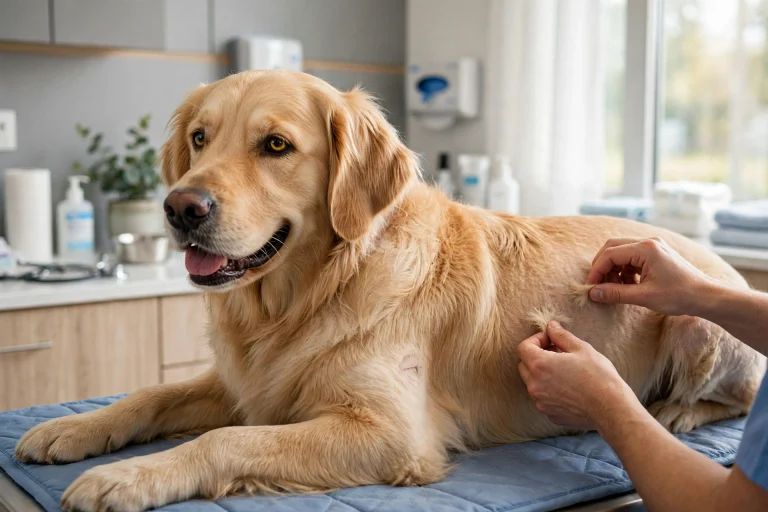
Signs Your Dog Has Allergies (And What to Do)
Short answer: if your dog keeps scratching, licking his paws, shaking his head, or getting ear infections that come back, allergies are a likely cause. The three usual culprits are fleas, food, and things in the environment like pollen or dust mites. The pattern — where he itches, when it started, and what else is going on — usually points to which one it is.
You notice it first as a sound: scratching at 2 a.m., or that steady lick-lick-lick from the dog bed. Then you start seeing it — pink skin between the toes, red ears, a patch of fur that’s getting thin. Dogs can’t tell us they’re itchy, so they show us. Here’s how to read what they’re showing.
The signs that point to allergies
One sign on its own doesn’t mean much. A dog can scratch because of a single bug bite, or shake his head once after a bath. Allergies look different because the signs stick around, come back, or show up in a pattern.
Itchy skin that won’t quit. This is the big one. A dog with allergies scratches, rubs his face on the couch, scoots, or chews at his sides. The itch is often worst on the paws, belly, armpits, groin, and ears — the spots where skin is thin and allergens settle.
Paw licking and chewing. Paws pick up pollen, grass, and dust on every walk, and the skin between the toes is thin. Constant paw licking — especially after walks, or worse at certain times of year — is one of the most common allergy signs. Light-coloured fur may turn rusty brown where saliva stains it.
Ear trouble that keeps coming back. Red, smelly ears, head shaking, or ear infections that clear up with treatment and then return are a classic allergy pattern. Food allergies in particular often show up in the ears first, before the skin gets obviously bad.
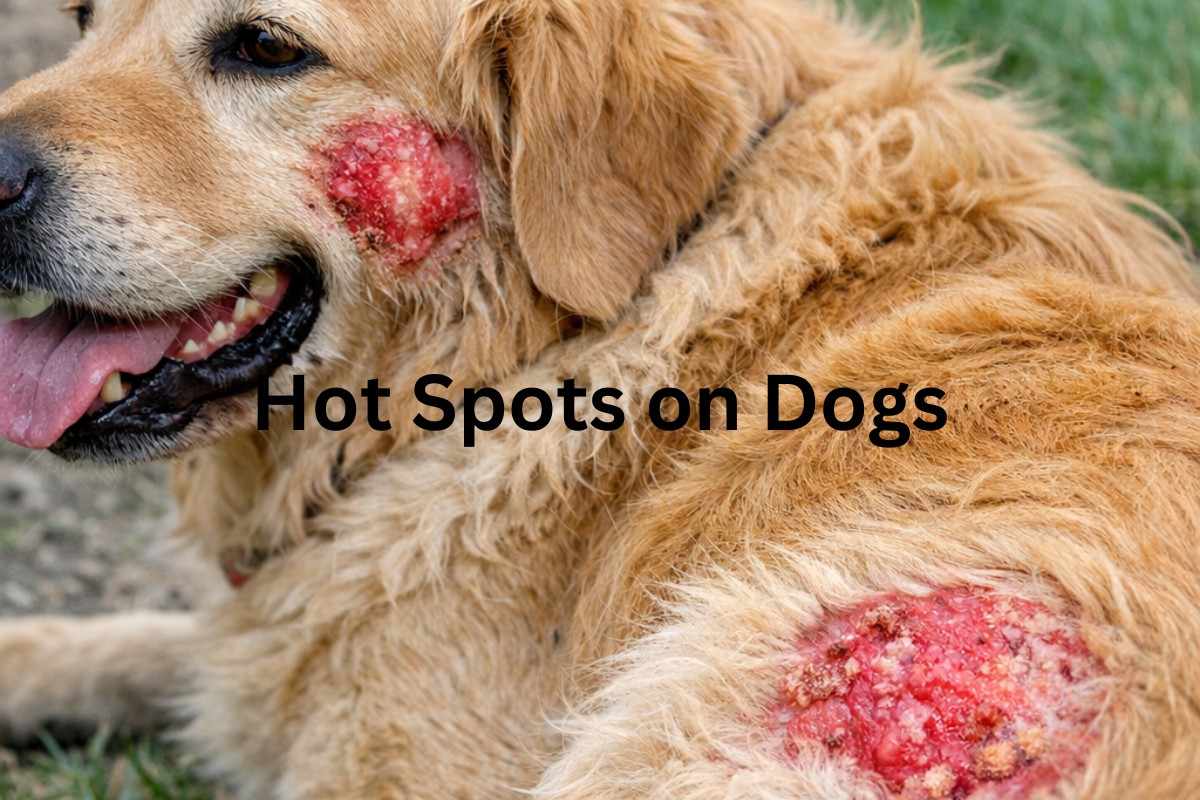
Red, irritated skin and hot spots. Allergic skin gets inflamed, and inflamed skin gets scratched and chewed — which can turn into a raw, sore patch called a hot spot. If hot spots keep appearing in the same dog, the underlying itch is usually the thing to fix, not just the sore itself.
Stomach signs. Some dogs, especially those with food allergies, get loose stools, gas, or vomiting alongside the itching. If skin and stomach problems show up together, food is worth a closer look.
Watery eyes and sneezing. Dogs don’t get hay fever the way people do, but some do get runny eyes or sneeze when pollen counts are high. On its own this is a weak sign — combined with itchy skin, it adds weight to the allergy picture.
The three types, and how to tell them apart
| Type | Usual trigger | When it shows up | Clues that point to it |
|---|---|---|---|
| Flea allergy | Flea saliva — even one bite can set it off | Any time fleas are active, often worse in warm months | Itching focused on the lower back, base of the tail, and back legs; small scabs there; flea dirt in the coat |
| Food allergy | A protein or ingredient in the diet, most often one the dog has eaten for a while | Year-round, no seasonal pattern | Ear infections that return, year-round paw licking, stomach upset alongside itching; no change with the seasons |
| Environmental allergy | Pollen, grass, dust mites, mould | Seasonal for pollen and grass; year-round for dust mites | Worse after walks or in certain months; paws, belly, and face itchiest; may improve indoors or after a bath |
The honest truth: these overlap a lot. A dog can have more than one at the same time, and a food allergy can look exactly like an environmental one until you test the diet. The table above is a starting point for a conversation with your vet, not a diagnosis.
What to do first — before the vet visit
You don’t have to wait helplessly, and you shouldn’t start medicating on your own either. These steps are safe, simple, and they give your vet useful information:
1. Check for fleas properly. Part the fur at the base of the tail and look for tiny black specks (flea dirt). If you’re not sure, your vet can check in seconds. Flea allergy is the easiest of the three to fix, and the most often missed — because one bite is enough, and you may never actually see a flea.
2. Note the pattern for a week. When does he itch most — after walks, in spring, all year? Where does he itch? Has anything changed — a new food, a new laundry detergent for his bedding, a move? Write it down. A week’s notes save your vet a lot of guessing.
3. Wipe paws and belly after walks. A damp cloth removes a surprising amount of pollen and dust. It’s not a cure, but for a dog whose paws are the main problem, it often takes the edge off the itching the same evening.
4. Don’t change five things at once. If you switch food, start a new shampoo, and add a supplement all in the same week, you’ll never know which one helped — or which one made it worse. One change at a time, a couple of weeks apart.
5. Keep the skin intact. An itchy dog will scratch until the skin breaks, and broken skin gets infected fast. A cone for a few days while you sort out the cause is kinder than it looks, and it stops a small itch turning into a vet bill for an infection.
What the vet will actually do
A vet visit for suspected allergies usually goes in a practical order: rule out fleas and skin infection first, then look at the ears, then talk about food. A food trial — one new protein and one carbohydrate, nothing else, for around eight weeks — is the only reliable way to confirm a food allergy; blood tests for food allergies are unreliable, and your vet will tell you that straight.
For environmental allergies, the vet may suggest medication to control the itch while you work on the triggers, and in some cases allergy testing followed by immunotherapy (regular small doses of what the dog reacts to, to build tolerance). That takes months and isn’t cheap, so it’s usually for dogs whose itching doesn’t settle with simpler steps.
Don’t buy allergy medication, steroid creams, or “allergy treats” online and dose them yourself. The dose, the drug, and whether it’s even safe for your dog’s age and health all need a vet’s call — the wrong one can mask an infection or cause real harm.
When to call the vet sooner, not later
| Situation | Why it can’t wait |
|---|---|
| Face swelling, hives, or trouble breathing | This can be a severe allergic reaction — treat it as an emergency |
| A hot spot that spreads fast, smells, or oozes | Infection is already there and needs treatment |
| Constant scratching that breaks the skin or stops sleep | The skin barrier is failing; infection risk rises fast |
| Ear discharge, strong smell, or a dog crying when ears are touched | Ear infections hurt and can damage hearing if left |
| Vomiting or diarrhoea alongside itching | Food allergy or something else in the gut needs checking |
FAQs
Can a dog suddenly develop allergies at any age?
Yes. Food allergies in particular often appear after a dog has eaten the same food happily for years — the immune system can start reacting to a familiar protein out of nowhere. Environmental allergies usually show up between one and three years old, but they can start later too.
Are some breeds more prone to allergies?
Yes — Bulldogs, French Bulldogs, Labradors, Golden Retrievers, West Highland Terriers, and Shar-Peis are among the breeds vets see most for skin allergies. But any dog, mixed breed included, can develop them.
Can I give my dog antihistamines from my own medicine cabinet?
Don’t. Some human antihistamines are used in dogs, but the drug, dose, and safety depend on your dog’s size, age, and other health problems. Ask your vet first — a wrong dose can cause drowsiness, a racing heart, or worse.
Will changing to grain-free food fix a food allergy?
Almost certainly not. True grain allergies in dogs are rare. Most food allergies are to a protein — beef, chicken, and dairy are the usual suspects. Grain-free food that still contains the protein your dog reacts to won’t help at all.
Do allergies go away on their own?
Sometimes a seasonal allergy eases when the season passes, and some puppies outgrow mild sensitivities. But a genuine allergy usually needs managing, not waiting out — left alone, the scratching cycle tends to get worse, not better.
How is a food trial different from just trying a new food?
A proper trial is strict: one new protein and one carbohydrate your dog has never eaten, and nothing else — no treats, no table scraps, no flavoured chews — for around eight weeks. Trying a new bag of kibble while still giving the usual treats isn’t a trial, and it won’t give you a clean answer.
Disclaimer: This article is general information, not veterinary advice. If your dog’s itching is severe, spreading, or comes with swelling, breathing trouble, or infection signs, contact your veterinarian promptly.