
Hot Spots on Dogs: Causes, Treatment, and Prevention
If you’ve noticed your dog obsessively licking or scratching one spot, and then suddenly there’s a raw, wet, red patch of skin there, you’re probably dealing with a hot spot. They can go from a small red mark to a coin-sized sore in just a few hours, which is part of what makes them so alarming for owners.
The medical name for a hot spot is acute moist dermatitis. It isn’t an infection that shows up out of nowhere — it’s almost always a reaction to something else going on with your dog’s skin. Understanding that root cause is the difference between a hot spot that heals in a few days and one that keeps coming back every few weeks.
If your dog is also dealing with a swollen or puffy ear, that could be a separate issue called an ear hematoma — worth checking out too.
What Does a Hot Spot Actually Look Like?
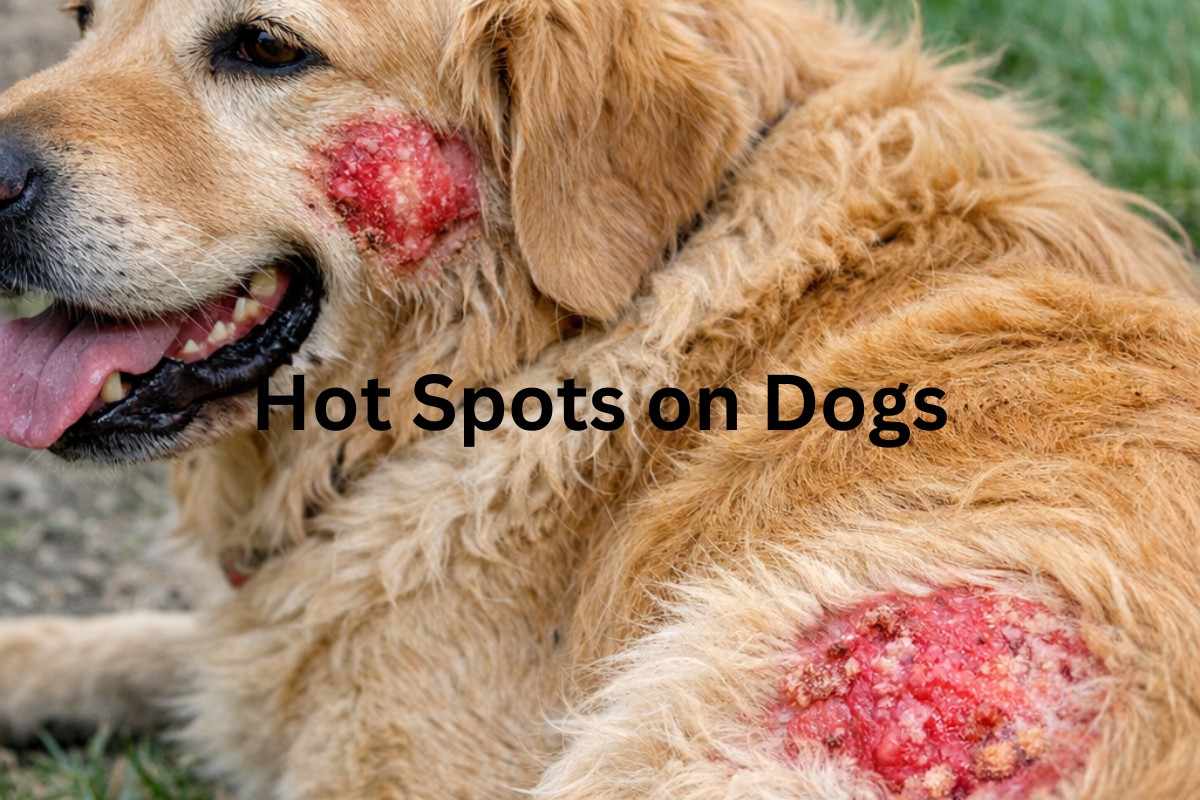
Hot spots usually show up as:
- A patch of skin tags that’s red, moist, and inflamed
- Hair loss around the edges (sometimes the fur mats over the top, hiding the wound underneath)
- Oozing or crusty discharge
- A sore that’s clearly painful when touched
- An area your dog won’t stop licking, biting, or scratching
They tend to appear most often on the head, neck, hips, and base of the tail — anywhere your dog can easily reach with their mouth or a paw.
Why Do Dogs Get Hot Spots?

This is the part most articles skip over, but it’s the most useful thing to understand. A hot spot is what happens when a dog scratches or licks an itchy spot hard enough to break the skin, which then gets infected by bacteria that live normally on your dog’s skin. The itch always comes first. Common triggers include:
Allergies — Environmental allergies (pollen, dust mites, mold), food sensitivities, or flea allergy dermatitis are some of the most common root causes. A single flea bite on a dog with flea allergies can be enough to start the itch-scratch cycle.
Ear or skin infections — If your dog has an underlying ear infection or skin condition, the itching from that alone can trigger a hot spot nearby.
Moisture trapped against the skin — Dogs who swim often, get bathed and aren’t dried properly, or have thick double coats are more prone to hot spots, especially in warm, humid weather. This is why they’re sometimes called “summer sores.”
Anxiety or boredom — Some dogs will lick or chew one area repetitively out of stress or habit, which can eventually break the skin the same way an allergy-driven itch does.
Poor grooming — Matted fur traps moisture and bacteria against the skin, making that same reaction more likely.
How to Treat a Hot Spot at Home
For a small, early-stage hot spot, you can usually start care at home:
Trim the fur around the area. This lets air reach the wound and stops matted hair from trapping moisture and bacteria against it. Use blunt-tip scissors or clippers, and be careful — the skin underneath is often more sensitive than it looks.
Clean it gently. Use a mild antiseptic solution recommended by your vet (chlorhexidine solution is common) or plain saline. Avoid alcohol, hydrogen peroxide, or anything that stings — it will make your dog want to lick the area more.
Stop the licking. An e-collar (cone) is the most reliable way to break the itch-lick cycle while the skin heals. Without this step, most home treatment won’t hold.
Keep it dry. Moisture is what lets hot spots spread, so avoid baths or swimming until it’s fully healed.
Monitor daily. A hot spot that’s healing should look less red and less wet each day. If it’s growing, spreading, or your dog seems increasingly uncomfortable, that’s your sign to call the vet.
When You Actually Need a Vet
Home care works for small, surface-level hot spots. You should see a vet if:
- The hot spot is larger than a coin or spreading quickly
- There’s a strong smell, pus, or signs of deeper infection
- Your dog seems in significant pain or is running a fever
- It doesn’t start improving within 2-3 days of home care
- Your dog gets hot spots repeatedly — this usually means there’s an underlying allergy or condition that needs to be diagnosed, not just the symptom treated over and over
Vets can prescribe topical or oral antibiotics, anti-itch medication, and — importantly — help you identify what’s actually triggering the hot spots in the first place, so you’re not just treating the same problem every summer.
Preventing Hot Spots From Coming Back
Since hot spots are a symptom rather than a standalone problem, prevention means managing whatever is causing the itch:
Keep an eye on stress-related licking, especially in dogs left alone for long periods, and talk to your vet if it seems compulsive rather than itch-driven
- Stay current on flea prevention, even for indoor dogs
- Dry your dog thoroughly after baths or swimming, especially dogs with thick or double coats
- Brush regularly to prevent matting, which traps moisture against the skin
- Talk to your vet about allergy testing if hot spots recur, so you’re addressing the actual cause
- “If you notice your dog’s skin becoming unusually thick or crusty in other areas, that could be a separate condition called hyperkeratosis, which is also worth having a vet check.”
Frequently Asked Questions

Are hot spots contagious to other dogs or people? No. Hot spots themselves aren’t contagious. However, if the underlying cause is something like mites or ringworm, that specific condition could potentially spread — which is one more reason it’s worth having a vet confirm what you’re dealing with.
Can I use human antibiotic ointment on a dog’s hot spot? It’s best not to without checking with your vet first. Some human topical products aren’t safe for dogs if licked, and using the wrong treatment can slow healing.
How long does a hot spot take to heal? With proper care, most hot spots noticeably improve within a few days and heal within 1-2 weeks. Hot spots that don’t improve in that window usually need veterinary treatment.


