
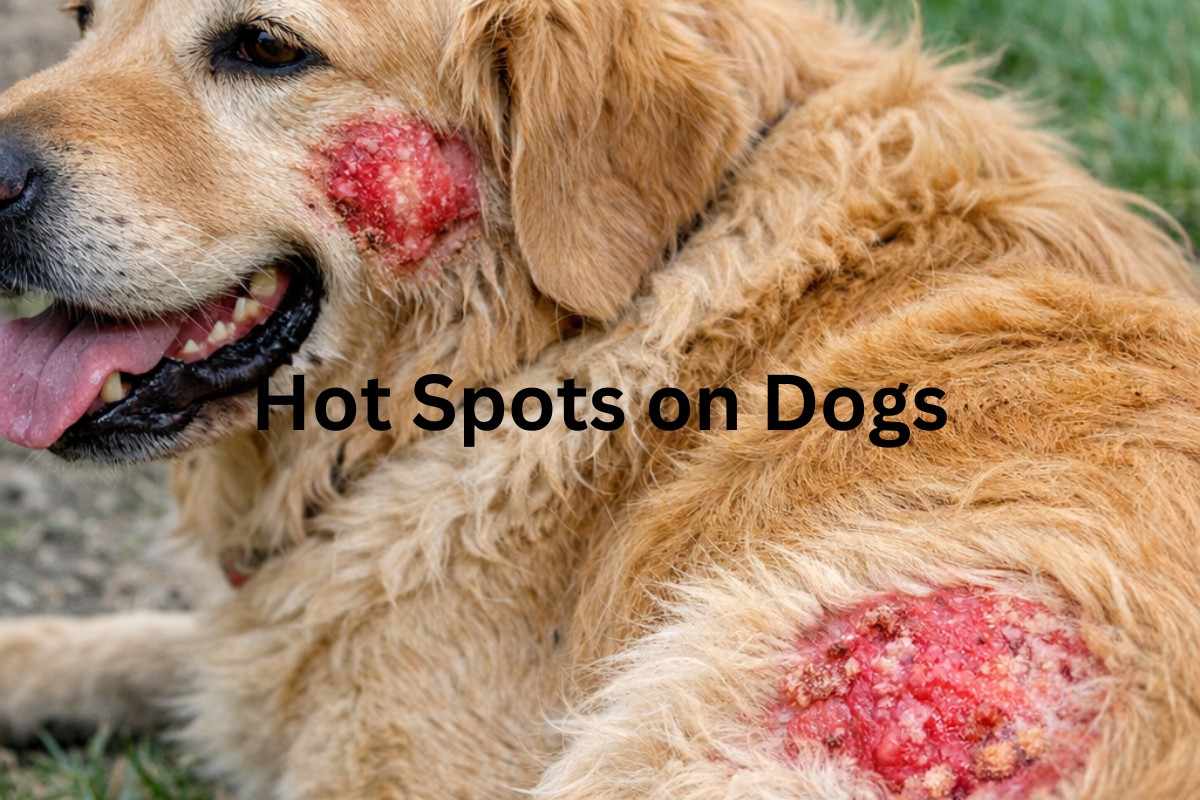
Hot Spots on Dogs 2026: The Definitive Expert Guide to Healing
Hot spots on dogs can appear suddenly and spread fast. These painful red sores cause intense itching and discomfort. Your furry friend may lick the area constantly. This makes the problem worse quickly. Many pet owners feel worried when they notice these wounds. Understanding acute moist dermatitis helps you act fast.
Early treatment prevents severe infections and speeds up recovery. Recognising the signs early makes a huge difference. Proper care at home combined with expert advice brings relief. Your dog deserves quick healing and comfort during this painful condition.
What Are Hot Spots on Dogs? Understanding Acute Moist Dermatitis
Hot spots on dogs are painful skin wounds that develop rapidly. Vets call this condition pyotraumatic dermatitis or acute moist dermatitis. The problem starts when your dog scratches or licks one area repeatedly. Bacteria then invade the damaged skin and cause infection. This creates localized skin inflammation that feels warm and sore.
Your pet cannot stop the itch-scratch cycle alone. The affected area becomes redder and more painful each hour. Dogs feel desperate for relief during this frustrating condition. Quick action stops the wound from spreading further across their body.
Early Signs of Hot Spots on Dogs: Recognising Symptoms Before They Spread

Spotting symptoms early prevents serious complications for your dog. Look for red oozing sores that appear suddenly on the skin. The fur around the wound often becomes matted and sticky. A foul odour from a skin infection develops within hours of onset. Your dog shows excessive licking and scratching behaviour at one spot.
Sometimes digestive problems like blood in dog stool occur alongside skin conditions. The affected area feels warm and moist when you touch it. Crusty skin lesions may form as the wound progresses. Your pet seems uncomfortable and restless throughout the day. Acting fast at this stage makes treatment much easier.
What Does a Hot Spot Look Like on a Dog? Visual Identification Guide
Fresh wounds appear as bright red, moist patches on your dog’s skin. The area looks raw and inflamed without any hair covering. Common locations include the neck, hips, limbs, and face regions. Advanced stages show darker red or pink discolouration around edges.
The texture changes from weeping fluid to crusty or scabbed lesions. Some spots ooze yellow or green discharge as the infection worsens. The surrounding fur sticks together from constant moisture and drainage. Size varies from coin-sized patches to large spreading areas. Recognising these visual signs helps you respond quickly.
Hot Spots on Dogs: Stages: From Mild Irritation to Severe Infection
The condition progresses through four distinct stages if left untreated. Each phase brings worse symptoms and deeper skin damage. Understanding these stages helps you know when veterinary care becomes essential.
• Stage 1: Initial irritation and redness appear on the skin surface
• Stage 2: Oozing fluid develops with noticeable hair loss around the area
• Stage 3: Crusty scabs form alongside secondary bacterial infection, taking hold
• Stage 4: Deep tissue involvement occurs with serious complications developing
What Are the Common Causes of Hot Spots in Dogs
Several factors trigger these painful wounds on your pet’s skin. Identifying the root cause helps prevent future outbreaks effectively. Most cases involve allergies, parasites, or poor hygiene practices. Sometimes, underlying health problems create the perfect conditions for infection.
Allergies: The Leading Trigger for Hot Spots
• Flea allergy dermatitis causes severe bite hypersensitivity and constant scratching
• Environmental allergies in dogs from pollen, dust, and mould trigger skin reactions
• Food allergies in dogs create dietary triggers that inflame the skin
• Contact allergies develop from chemicals or plants touching your pet’s coat
Insect Bites and Parasite Infestations
• Flea and tick bites cause intense irritation and scratching behaviour
• Mosquito and spider bites create itchy welts on exposed skin areas
• Mite infestations lead to persistent scratching and skin damage
• Parasites multiply quickly during warm weather months, increasing risk
Skin Irritations: Grooming and Hygiene Issues
• Poor grooming and matting create painful irritation beneath tangled fur
• Moisture trapped under fur after swimming or bathing promotes bacterial growth
• A dirty or damp coat provides ideal conditions for infection to develop
• Thick or double coats retain heat and moisture against the skin
Underlying Health Issues and Medical Conditions
• Ear infections spread quickly to the surrounding skin, causing inflammation
• Anal gland problems cause painful hot spots at the tail base
• Skin infections and bacterial overgrowth weaken your dog’s natural defenses
• Hormonal imbalances affect skin health and healing ability significantly
Dog Breeds Prone to Hot Spots: High-Risk Breeds and Why

Certain breeds face higher risks of developing hot spots on dogs than others. Golden Retrievers and Labrador Retrievers suffer frequently due to their thick coats. German Shepherds and Rottweilers also experience these painful wounds regularly. Saint Bernards and Newfoundlands struggle because their dense fur traps moisture easily.
Breeds with skin folds retain dampness against their body constantly. Double-coated dogs cannot cool down properly during warm weather. Their thick fur creates the perfect environment for bacteria to multiply rapidly.
Recurring Hot Spots in Dogs: Breaking the Cycle
Some dogs experience repeated outbreaks of hot spots on dogs throughout their lives. Chronic underlying conditions often trigger these frustrating patterns of infection. Seasonal allergies return every spring and summer without fail. Poor immune systems struggle to fight off bacteria effectively each time.
Identifying the root cause becomes essential for long-term relief and healing. Dogs need comprehensive allergy testing to find hidden triggers causing problems. Breaking this painful cycle requires consistent preventive care and close monitoring always.
Summer Hot Spots on Dogs: Seasonal Prevention and Care
Warm, humid weather increases cases of hot spots on dogs dramatically every year. Swimming leaves moisture trapped deep within your pet’s thick coat layers. Seasonal allergies from pollen and grass worsen itching and scratching behaviour significantly. Hot temperatures make dogs uncomfortable and restless throughout the day.
Regular grooming during the summer months removes dead fur and prevents matting problems. Drying your dog thoroughly after water activities stops bacterial growth from starting. Preventive care during warm seasons protects your pet from painful outbreaks effectively.
Hot Spot vs Skin Infection Dog: How to Tell the Difference
Distinguishing hot spots on dogs from other skin problems requires careful observation always. Hot spots appear suddenly and spread within hours of initial irritation. Ringworm creates circular patches with hair loss and crusty edges instead. Mange causes widespread itching across multiple body areas at once.
Fungal infections develop slowly over weeks rather than appearing overnight as spots. Veterinarians use skin scrapings and cultures to diagnose the exact problem accurately. Proper identification ensures your dog receives the correct treatment plan immediately.
How Fast Do Hot Spots Spread on Dogs? Timeline and Urgency
Hot spots on dogs can double in size within just a few hours. The rapid progression shocks many pet owners who check their dog regularly. Self-trauma and excessive licking accelerate growth dramatically throughout the day and night. Bacteria multiply incredibly fast in warm, moist environments on damaged skin.
Factors like coat thickness and scratching intensity affect how quickly wounds expand. Immediate treatment becomes critical to stop the spread before it worsens severely. Waiting even one day can turn a small spot into a large infection.
Self-Trauma in Dogs: Understanding the Itch-Scratch Cycle
Dogs cannot resist scratching when hot spots on dogs cause unbearable itching sensations. Physical irritation triggers an automatic response to lick and bite constantly. Psychological stress makes some dogs obsessively focus on one painful area repeatedly. Each scratch damages more skin and invites additional bacteria inside the wound.
This destructive cycle continues without intervention from owners or veterinarians quickly. Breaking the pattern requires physical barriers like cones and proper medication together. Your dog needs help to stop harming themselves during this frustrating condition.
Not Sure Whether to See a Vet? When Professional Help Is Needed
Certain warning signs with hot spots on dogs require immediate veterinary attention. Wounds near the eyes, ears, or genitals can cause serious complications rapidly. Signs of systemic infection include fever, letharg,y and loss of appetite daily.
Hot spots larger than a coin need professional cleaning and prescription medication. Home treatment alone cannot address deep tissue damage or severe bacterial infections. Your vet provides a proper diagnosis and creates an effective treatment plan quickly. Delaying care risks permanent scarring and prolonged suffering for your beloved pet.
Hot Spot Treatment for Dogs: Professional and At-Home Solutions
Treating hot spots on dogs effectively requires a combination of professional and home care. Veterinarians offer prescription medications that work faster than over-the-counter products available. Home remedies provide comfort between vet visits when used correctly and safely.
The best approach combines cleaning, medication, and prevention strategies consistently. Mild cases respond well to gentle home treatment within several days, usually. Severe infections demand antibiotics and anti-inflammatory drugs from your veterinarian immediately. Tailoring treatment to your dog’s specific needs ensures the fastest recovery possible.
What Will the Vet Do to Treat Hot Spots? Veterinary Skin Treatment Options

• Physical examination determines the severity and underlying cause of infection
• Clipping and cleaning the affected area removes matted fur and bacteria
• Topical and oral antibiotics fight secondary bacterial infection effectively
• Anti-inflammatory medications and steroids reduce swelling and pain quickly
• Pain management options keep your dog comfortable during healing
• Allergy testing identifies long-term triggers causing repeated outbreaks
How to Treat Hot Spots on Dogs at Home: Safe and Effective Methods
• Gently cleaning red oozing sores with an antiseptic solution removes bacteria
• Trimming hair around the lesion allows air circulation and drying
• Applying veterinary-approved topical treatments speeds up the healing process
• Keeping the area dry prevents further bacterial growth and infection
• Monitoring for signs of worsening ensures timely veterinary intervention
Using an Elizabethan Collar (Cone) to Prevent Self-Trauma
• The cone stops your dog from licking and scratching the wound
• Alternatives include soft collars and inflatable donuts for comfort
• Duration typically lasts one to two weeks until healing completes
• Adjustment tips include positive reinforcement and supervised removal for meals
Home Remedies and Natural Treatments: Managing Localized Skin Inflammation
Natural remedies can soothe mild hot spots on dogs when used appropriately and carefully. Apple cider vinegar diluted with water creates an antibacterial rinse for cleaning. Chamomile or green tea compresses reduce inflammation and calm irritated skin gently. Coconut oil provides moisture and has natural antimicrobial properties for healing.
Aloe vera gel soothes pain and speeds up tissue repair effectively, always. However, severe infections require prescription medications rather than home treatments alone. Natural options work best for prevention and early-stage care only.
How to Prevent Hot Spots in Dogs: Proactive Care Strategies
Prevention stops hot spots on dogs before they develop and cause pain. Regular grooming removes dead fur and prevents matting that traps moisture underneath. Flea and tick prevention programs eliminate parasites that trigger scratching and biting. Managing allergies through proper diet and environment always reduces skin irritation significantly.
Keep your dog’s coat completely dry after swimming or bathing every time. Regular vet check-ups catch underlying health problems early before they worsen. Proper nutrition supports healthy skin and a strong immune system naturally.
FAQs
What do hot spots on dogs look like?
Hot spots appear as red, moist, and raw patches on your dog’s skin. The area looks inflamed without fur covering it completely.
What causes hot spots on dogs?
Allergies, insect bites, poor grooming, and trapped moisture trigger hot spots. Your dog’s constant scratching and licking make the problem worse quickly.
How long do hot spots take to heal in dogs?
Mild cases heal within one to two weeks with proper treatment. Severe infections may require three weeks or longer for complete recovery.
What dog breeds are most prone to hot spots?
Golden Retrievers, Labrador Retrievers, German Shepherds, and Saint Bernards develop hot spots frequently. Thick-coated breeds face higher risks due to moisture retention.
When should I take my dog to the vet for hot spots?
Visit your vet immediately if the wound spreads rapidly or shows signs of deep infection. Fever and lethargy also require professional attention.
Conclusion
Hot spots on dogs require quick action and proper care always. These painful wounds heal faster when you recognise symptoms early. Understanding causes helps you prevent future outbreaks from developing repeatedly. Regular grooming and allergy management protect your pet throughout the year.
Home treatment works for mild cases, whilst severe infections need veterinary care. Your dog depends on you to notice changes and respond quickly. With proper attention and consistent prevention, your furry friend stays comfortable and healthy always.


